

Patient safety
Safe care is built together. Learn about our safety goals and how you can help us keep you safe.
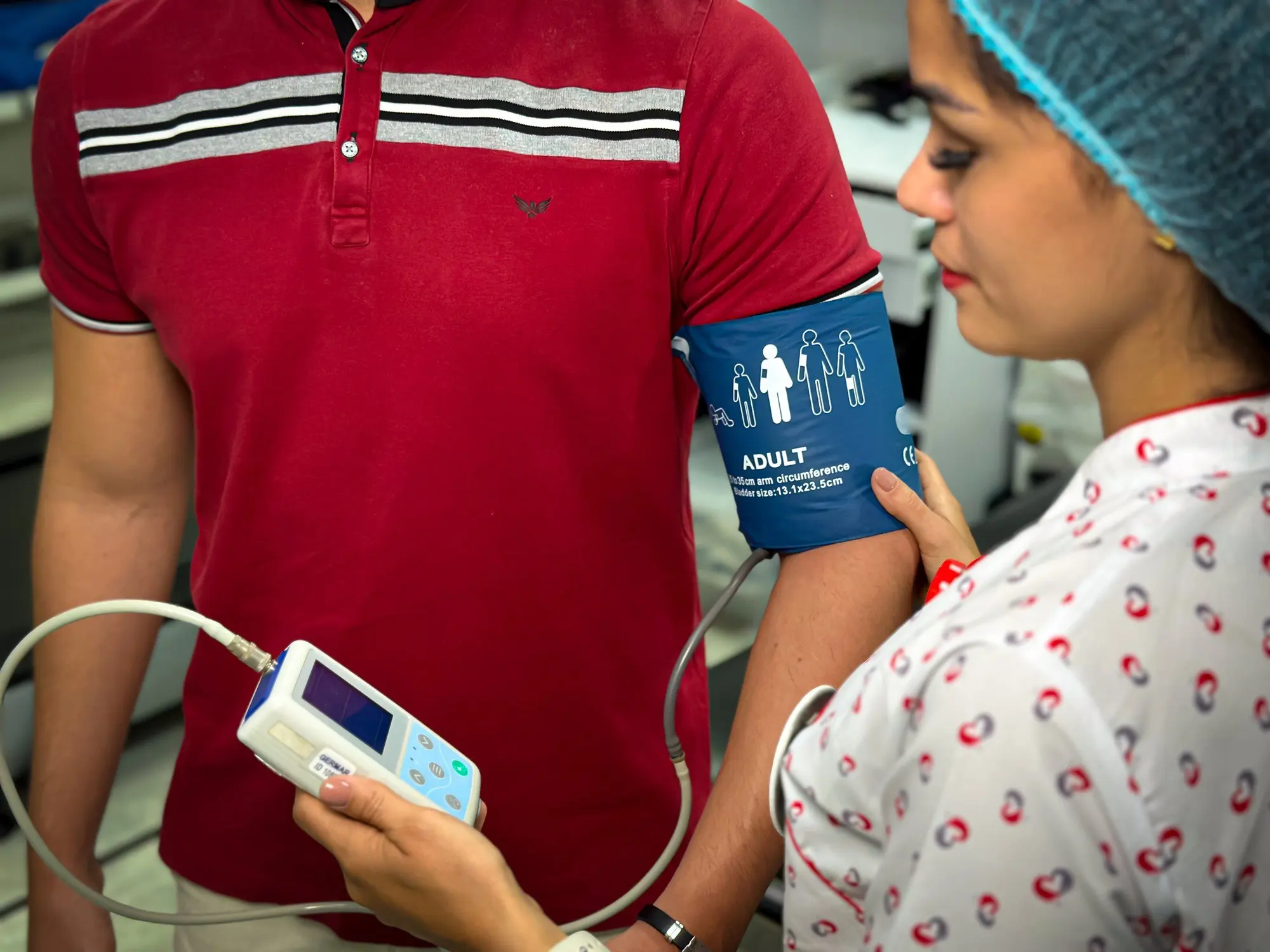
Your safety comes first at every visit, test and procedure. Our patient safety program follows the guidelines of Colombia’s Ministry of Health and Social Protection and the World Health Organization, and aims to prevent the risks of care with the active participation of our team, our patients and their families.
Patient safety policy. Servicios Especializados del Corazón is committed to providing safe care focused on patients and their families. We promote safe clinical practices, timely management of care-related risks, and the reporting and analysis of safety events, to strengthen organizational learning and build a culture of safety.
Our patient safety goals
Everyone on our team works every day toward these goals.
Our results in 2025
Patient safety
- Patients correctly identified99.99%Share of patients identified without error.
- Consent forms correctly completed99.96%Informed consent forms correctly completed by patients.
- Falls at our facilities0.007%Share of patients who had a fall.
How you can help us keep you safe
You and your family are part of the care team. These simple practices help prevent mistakes.
Your identification
- Always give your full name and ID number. Do not use nicknames.
- Ask the name of the person caring for you and what care they will provide.
- Make sure staff address you by your full name.
- Before a test or procedure, confirm that staff know your full name, your ID and what they are going to do. Feel free to ask.
Clean hands
- Washing hands stops germs from spreading and lowers the risk of infection.
- You may politely ask staff to wash their hands before caring for you.
- Clean your hands before entering the consultation room.
- If you or your caregiver give medicines at home, such as insulin, or change dressings, wash your hands first and do it in a clean, well-lit place.
Your medicines at your visit
- Tell your clinician about every medicine, vitamin and supplement you take, including homeopathic or herbal products. Bring the list.
- Always report your allergies and any reactions you have had to medicines.
- If you are going to receive a medicine or a contrast agent, ask what it is and what it is for.
- Before you leave, make sure you understand how to take what was prescribed: the route, the form, the dose and for how long.
Your medicines at home
- When you buy them, check that the label matches the medicine and form you were prescribed.
- Keep your prescription so you can check it whenever you need to.
- Take them at the prescribed times and dose, somewhere bright enough to read the label. If a liquid has no measuring device, measure it with a needle-free syringe.
- Do not self-medicate or take medicines prescribed to someone else, and check the expiry date.
- Do not store them in the kitchen or bathroom or in direct light, and keep them away from cleaning products, pet medicines and other toxic substances.
Tests and results
- Ask about any preparation, fasting or diet you need before and after the test.
- Ask what the test is for and when the results will be ready.
- When you receive your results, check that they are yours: name and ID number.
During your care
- Prepare for your visit: write down your symptoms, the medicines you take and your questions.
- Bring the documents and test results you were asked for.
- Older adults, children and people with disabilities should come with a companion, to make communication easier.
- Ask as many questions as you need until your doubts are cleared up.
Fall prevention
- If you need it, ask for help getting on or off the exam table.
- If the patient is a baby or child, keep them in sight at all times, especially on the exam table.
If you are having a procedure
- Come with a relative or someone you trust who can wait for you.
- Confirm that staff know your name, your ID and the procedure you are having.
- After the procedure, follow your specialist's instructions carefully.
Nuclear medicine, pregnancy and breastfeeding
- If you are or might be pregnant, tell us before the test and bring a blood pregnancy test.
- If you are breastfeeding, tell the technologist so you receive protection guidance for your baby.
- Do not come with children or pregnant women.
- For 24 hours after the injection, stay away from children under 15 and pregnant women.
Need an appointment?
Book online or message us on WhatsApp. We reply during opening hours.